SUV Car Insurance in Thailand - Compare SUV Insurance Groups
*Conditions are as specified by the company.
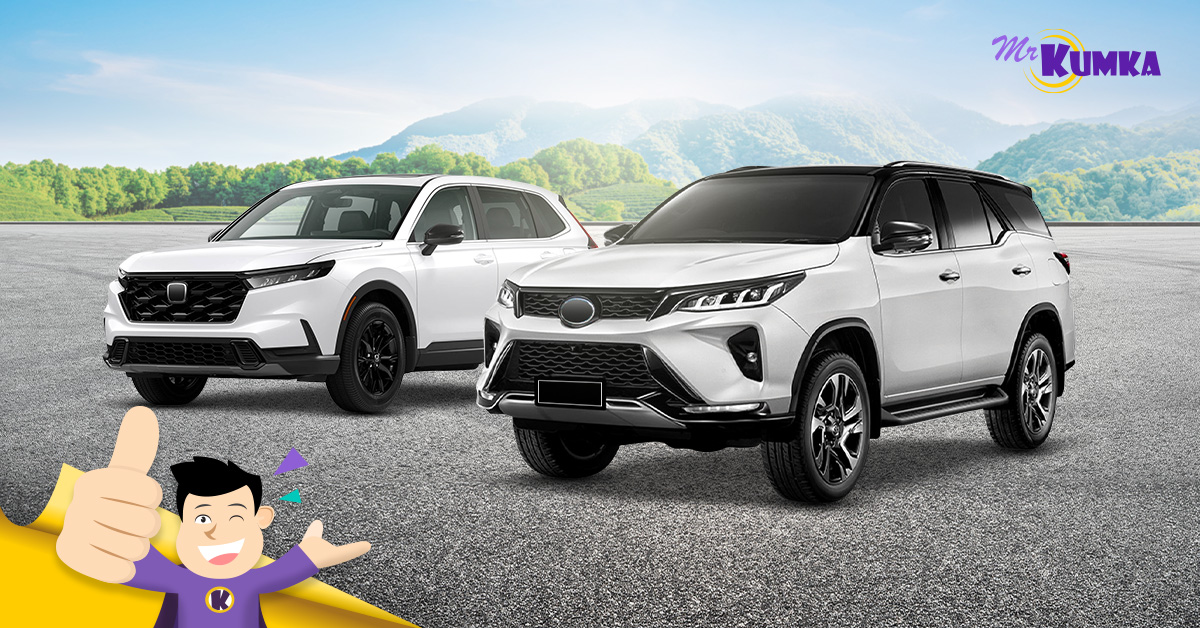
Owning an SUV car in Thailand offers comfort, safety, and versatility for both city driving and long-distance travel. However, choosing the right insurance for SUV vehicles is just as important as selecting the car itself.
At MrKumka, we help you compare SUV insurance groups from leading insurers in Thailand, making it easier to find coverage that matches your lifestyle, driving habits, and budget.
Whether you already own an SUV or are looking for the best SUV in Thailand, understanding how SUV insurance works helps you make smarter decisions.


Sum insured
770,000฿
Sum insured
950,000฿
Sum insured
930,000฿
Third party property
2,500,000฿
Third party property
2,500,000฿
Third party property
5,000,000฿
Excess
0฿
Excess
0฿
Excess
0฿
Dealer
Dealer
Dealer
Protection
Flood protection
Protection
Flood protection
Protection
Flood protection
Roadside assistance
24 hrs.
-
Roadside assistance
24 hrs.

Installment up to 10 months without a credit card.
Installment up to 6 months without a credit card.
Installment up to 10 months without a credit card.
What is an SUV car insurance group?
An SUV insurance group is a classification used by insurers to assess risk and calculate premiums based on your vehicle type. In Thailand, car insurance groups are classified by the Office of Insurance Commission (OIC), which categorises vehicles according to risk level, vehicle value, engine size, and repair costs.
Depending on the model, specifications, and market value, an SUV car may fall into car group 3, which typically includes vehicles with moderate to higher market value, larger engine sizes, and higher repair costs compared with smaller passenger cars.
You can explore more vehicle classifications here:
Insurance companies determine your SUV group based on:
- Vehicle price and market value
- Engine size and performance
- Repair and spare parts cost
- Safety features and technology
- Claim and theft risk
Understanding your SUV group helps you compare insurance policies accurately and choose suitable protection for your vehicle.
Why SUV cars are popular in Thailand
SUV vehicles have become one of the most popular car types in Thailand due to their practicality and performance across different road conditions.
Key benefits of SUV cars:
- Spacious interior for families and passengers
- Higher driving position for better road visibility
- Strong performance in flooding or rough road conditions
- Suitable for city driving and long journeys
- Large luggage capacity for travel
SUVs are well suited to Thailand’s diverse driving environments - from urban traffic to mountainous and coastal routes.
Who is suitable for SUV cars?
SUV is ideal for drivers whose lifestyle requires more space, safety, and flexibility. SUV car is suitable for:How many types of SUV car insurance are there?
In Thailand, on top of the compulsory motor insurance, SUV car insurance is available in several types depending on the level of coverage and your budget. Understanding the differences helps you choose the most suitable insurance for SUV vehicles based on your car’s value, usage, and risk level.
Type 1 SUV car insurance (comprehensive)
Type 1 SUV car insurance provides the most comprehensive coverage and is typically recommended for new or high-value SUV vehicles. Coverage usually includes:
- Damage to your own vehicle (even if you are at fault)
- Third-party property damage
- Third-party bodily injury
- Vehicle theft
- Fire damage
- Natural disasters (depending on policy conditions)
Since SUVs often have higher repair costs and expensive genuine parts, comprehensive SUV insurance helps protect you from significant financial loss after an accident.
Type 2+ and type 3+ SUV insurance
If you are looking for more affordable options, type 2+ SUV insurance or type 3+ can provide partial coverage at a lower premium. Typical coverage includes:
- Damage from collisions with other vehicles
- Third-party property damage
- Theft
- Fire damage
These plans are often suitable for SUV cars that are a few years old but still require broader protection than basic type 3 third-party insurance.
Type 3 SUV insurance
Type 3 SUV insurance focuses primarily on third-party protection. Coverage generally includes:
- Third-party property damage
- Third-party bodily injury
This type of insurance usually has the lowest premium and may be suitable for older SUVs or drivers who want to minimise insurance costs.
Factors that affect SUV insurance premiums
The cost of insurance for SUV vehicles depends on multiple risk factors. Main pricing factors include:- SUV size and weight
- Engine capacity and performance
- Safety technology and security features
- Driver age and driving history
- Number of previous insurance claims
- Coverage type and deductible level
Because SUVs are generally larger and more powerful, premiums may be higher than smaller vehicles, though safety features can help reduce premium costs.
Popular SUV models in Thailand
Some examples of SUV cars in Thailand commonly insured include:- Toyota Fortuner
- Honda CR-V
- Mazda CX-5
- Isuzu MU-X
- Mitsubishi Pajero Sport
Different models may fall into different range of insurance premium depending on their value and specifications.
How to choose the best SUV insurance in Thailand
When comparing car SUV insurance, consider:- Comprehensive (Type 1) coverage for full protection
- Repair options (dealer vs. garage)
- Flood and natural disaster protection
- Third-party liability limits
- Insurance deductible options
- Additional benefits such as roadside assistance
Comparing multiple policies helps you find the right balance between price and protection.
Frequently asked questions about SUV cars
SUV stands for Sport Utility Vehicle, a vehicle type designed to combine passenger comfort with utility performance. Typical SUV characteristics include:
- Larger body size
- Higher ground clearance
- Spacious passenger cabin
- Larger luggage capacity
- Suitable for long-distance travel
Because SUVs are usually larger and more valuable than small passenger cars, they may fall into higher vehicle insurance groups, which can affect SUV insurance premiums.
The best SUV car insurance depends on several factors, including vehicle age, market value of the car, driving frequency, and budget for insurance premiums. In general:
- New SUVs → type 1 (comprehensive) insurance is recommended
- Older SUVs → type 2+ or type 3+ may provide a better balance between price and protection
In many cases, SUV car insurance premiums may be higher than those of smaller passenger vehicles because of factors such as higher vehicle value, more expensive spare parts, and higher repair costs. However, the actual premium also depends on factors such as car model and year, driver’s age, and previous claims history.
Comparing multiple SUV insurance plans helps you find the most suitable SUV insurance coverage.
Compare SUV insurance quotes instantly
With MrKumka, you can compare plans from top insurers, understand your SUV group classification, and choose coverage that suits your needs in minutes. If you require further assistance, Contact us and our team will gladly assist you.
Compare SUV insurance quotes now!
Check QuotesLearn more about insurance with Mrkumka